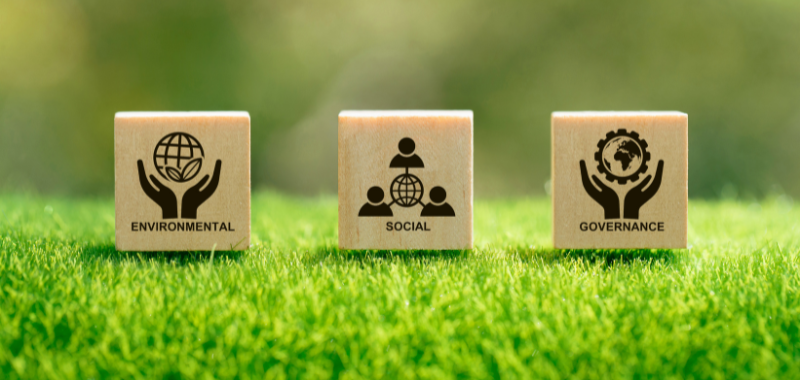

Not long ago, ESG (Environmental, Social, and Governance) was viewed primarily as a corporate responsibility initiative for large enterprises. Today, that perspective has fundamentally changed.
ESG is no longer confined to boardrooms, annual reports, or sustainability teams. It is rapidly extending across entire supply chains, influencing how businesses select suppliers, manage risks, and create long-term value. As regulatory requirements increase and stakeholder expectations evolve, ESG is becoming everyone’s business.
The ESG Ripple Effect
Large organizations are now required to provide more detailed reporting on climate-related risks, sustainability performance, and emissions. This includes Scope 3 emissions, which often originate from suppliers, logistics partners, and other third parties across the value chain.
As a result, businesses are increasingly requesting ESG data from their suppliers to meet their own disclosure obligations. What starts as a reporting requirement for one company quickly becomes a business requirement for hundreds of others.
In simple terms:
ESG doesn’t stop at the company gate. It travels throughout the supply chain.
Why This Matters for Small and Medium Businesses
Many small and medium-sized businesses assume ESG regulations only apply to large corporations. Technically, that may be true today. However, the reality is different.
If your customers are large enterprises, they will increasingly expect transparency around:
- Carbon emissions
- Ethical sourcing practices
- Employee wellbeing and workplace safety
- Diversity and inclusion initiatives
- Governance and risk management standards
Businesses that cannot provide this information may find themselves at a competitive disadvantage during supplier selection and contract renewals.
From Compliance to Competitive Advantage
The most successful organizations are not viewing ESG as another compliance exercise. They see it as a strategic opportunity.
Companies that proactively strengthen their ESG performance can benefit from:
- Stronger customer trust
- Better investor confidence
- Improved operational efficiency
- Reduced business risk
- Greater supply chain resilience
- Enhanced brand reputation
In an increasingly transparent business environment, sustainability and responsible business practices are becoming key drivers of competitive advantage.
What Businesses Should Do Now
Rather than waiting for regulations or customers to force action, organizations can start preparing today by:
- Understanding ESG expectations within their industry
- Engaging suppliers and partners on sustainability goals
- Collecting relevant environmental and social performance data
- Identifying risks across the value chain
- Building a culture of transparency and accountability
Taking small steps now can prevent significant challenges later.
The ESG conversation is no longer about a single company. It’s about the entire ecosystem that supports it.
As sustainability expectations continue to grow, businesses of all sizes will be judged not only by what they do, but also by the practices of the partners they choose to work with.
For more information, visit our Website
Reach out to us at biz@carisma-solutions.com.au
Connect with us on WhatsApp.
Credits

Sekan, Services Management Team